
Mighty Line Minute with Dave Tabar - Talking Safety Codes & Standards, Music, and Business Innovation
The Mighty Line Minute podcast is part of the Safety Stripes Podcast Network, sponsored by Mighty Line floor tape and signs. Hosted by Dave Tabar, episodes air primarily on Mondays and deliver focused, engaging content on workplace safety, operations, and industrial best practices. In addition to safety standards such as OSHA, ANSI, NFPA, ISO, and others, the podcast explores the practical implications of regulatory compliance, risk management, and loss control. Occasional episodes feature unique topics — including music, entertainment, and innovations — “for the good of the order,” offering both insight and inspiration. Follow to stay informed and ahead in safety and beyond.
Another regular segment within the Safety Stripes Network is Warehouse Safety Tips, hosted by Wes Wyatt every Wednesday. These episodes offer practical safety advice and insights tailored to warehouse environments, covering topics such as hearing conservation, proper use of personal protective equipment (PPE), and more.
Both segments of the podcast network are highly practical, offering listeners strategies, expert interviews, and case studies to enhance safety across various work environments. They also align closely with Mighty Line’s product offerings, highlighting the critical role of high-quality safety markings—such as Mighty Line floor tape—in preventing accidents and supporting efficient operations. For more safety tips and toolbox topics related to floor tape, visit Mighty Line’s official blog. You can also request free samples of floor tape and floor signs there.
Mighty Line Minute with Dave Tabar - Talking Safety Codes & Standards, Music, and Business Innovation
5 Attributes of an Effective Safety and Operations Leader
Use Left/Right to seek, Home/End to jump to start or end. Hold shift to jump forward or backward.
https://www.assp.org/What are the qualities of an effective safety and operations leader? In this episode of Mighty Line Minute, Dave explores five essential leadership attributes that help build a stronger safety culture and drive operational excellence. Learn why active listening, relationship building, continuous learning, adaptability, mentoring, and leading with character are essential skills for today's safety professionals, operations managers, supervisors, and EHS leaders.
Whether you work in manufacturing, warehousing, distribution, logistics, construction, or industrial operations, you'll discover practical leadership strategies for improving workplace safety, strengthening teams, increasing employee engagement, and creating a culture where people and performance thrive. If you're looking to become a more effective leader in safety and operations, this episode provides valuable insights you can apply immediately.
View all Mighty Line Safety Talk Blogs and Podcasts
Learn more about Mighty Line floor tape and Mighty Line Floor Signs
Request free floor tape samples * No Risk and Free To Try
All Mighty Line Minute Floor Tape Blogs
Greetings, everyone, and welcome to another edition of Mighty Line Minute. This is Dave. Today, we'll be talking about 5 specific traits that make for an effective safety and operations leader. Stay tuned.
When we think about leadership, it's easy to focus on technical knowledge, years of experience, or someone's title. While these matter, exceptional leadership goes far beyond credentials. Great leaders inspire trust, they elevate performance, and perhaps most importantly, they leave every workplace better than they found it.
So, what does that kind of leadership look like in practice?
First, effective leaders listen. They understand that some of the best ideas don't come from the conference room. They come from the production floor, from the people doing the work every day, and from conversations where leaders take the time to ask questions and truly listen to the answers.
Every conversation becomes an opportunity to learn, build trust, and uncover solutions that might otherwise be missed. Strong leaders never walk past an opportunity to learn. They know that continuous improvement begins with curiosity.
Second, great leaders build relationships. Safety and operational excellence are never achieved alone. They require teamwork, trust, and shared ownership across the organization. Effective leaders build consensus. They connect with frontline employees, supervisors, managers, and senior leaders. And they work across departments, operations, engineering, finance, sales, marketing, and HR.
Because every function plays a role in creating a safer and stronger workplace.
Third, effective leaders stay curious and adaptable. They keep learning. They stay motivated. And when things don't go as planned, they don't stay stuck in frustration. They look for the opportunity inside the challenge. Change is constant in every workplace.
The leaders who make the greatest difference are the ones who adapt, adjust, and help others move forward with confidence.
Fourth, outstanding leaders invest in others.
They mentor future professionals. They encourage others to pursue careers in safety, health, environmental stewardship, wellness, sustainability, and operational excellence. They also recognize an important truth. Hiring people who are smarter or more experienced in specific areas is not a weakness. It's a strength. Great leaders build great teams by surrounding themselves with people whose skills complement one another.
And fifth, effective leaders lead with character. How leaders treat people matters. Energy, compassion, humility, and genuine concern for others create workplaces where people feel valued and respected. Effective leaders don't just enforce policies, they lead by example. They take initiative, encourage others, and help create a culture where safety is not just a requirement, but shared value.
That work carries meaning. Every hazard eliminated, every employee protected, every process improved, and every lesson shared contributes to something larger than any one individual. The impact of a strong safety and operations leader extends beyond the workplace. It reaches families, communities, and future generations.
And along the way, great leaders also remember to enjoy life. A fulfilling career matters, but perspective matters too. Celebrating progress, appreciating others, and staying grounded make leadership both sustainable and rewarding. In the end, effective leadership is not measured only by production numbers, safety stats, or financial results.
It is measured by the people we influence, the teams we build and then strengthen, and the positive difference that we make. When we listen, keep learning, mentor others, build meaningful relationships, lead with compassion, and embrace change, we achieve far more than today's goals.
We create safer workplaces, stronger organizations, and a brighter future for all. Thanks for listening to Mighty Line Minute.
Take care, be safe, and be good to others.


Podcasts we love
Check out these other fine podcasts recommended by us, not an algorithm.

Warehouse Safety Tips
Wes Wyatt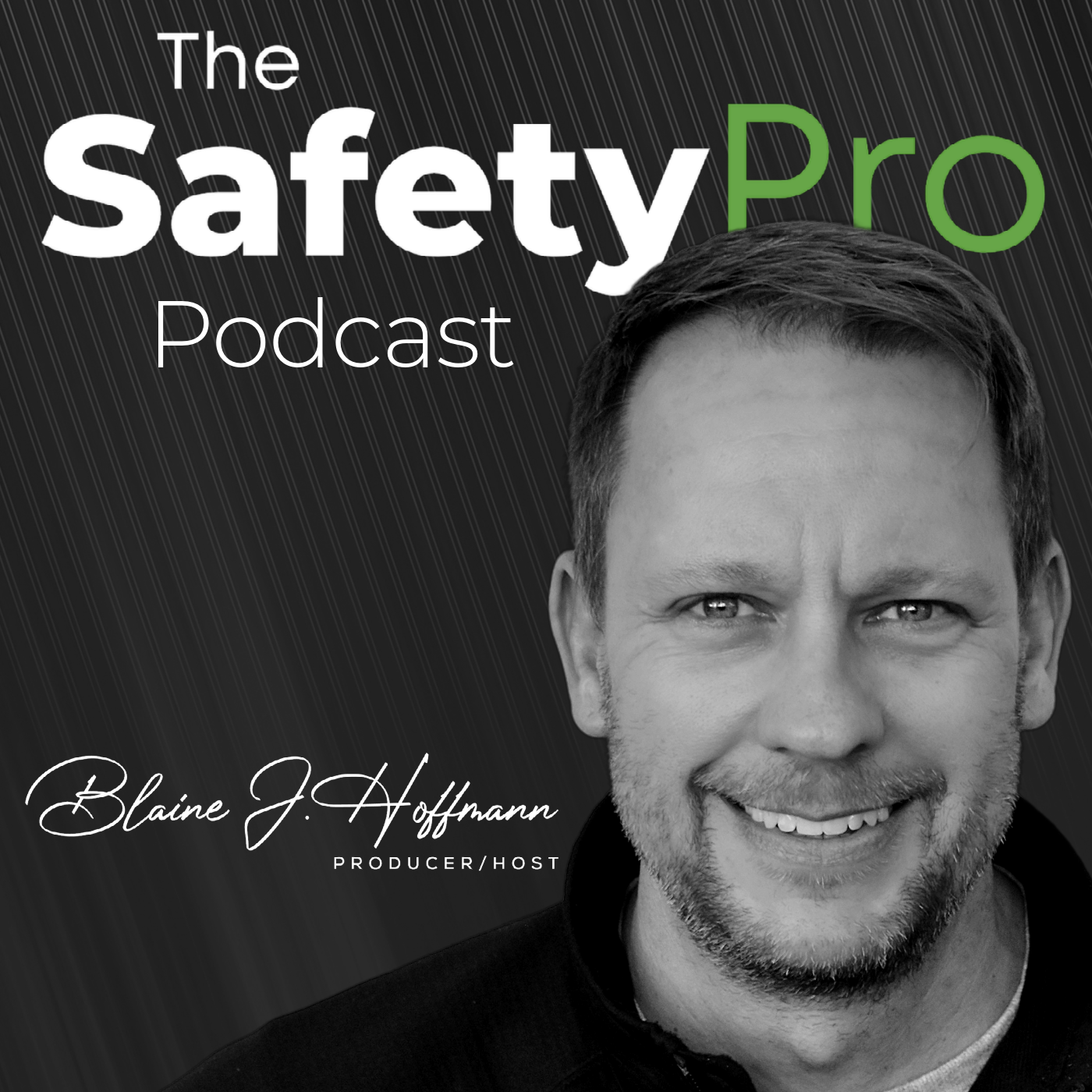
The SafetyPro Podcast
Blaine J. Hoffmann, MS OHSM

Stripe It Like It's Hot
Cam Roberts